Digital SmartDesk IT Solution
digital it support smart desk
What Is IT Support Desktop?
IT Support Desktop is a technical service focused on assisting end users with hardware and software-related problems. These services are typically provided within an organization, either on-site or remotely. Desktop support professionals handle everyday IT issues such as system errors, application malfunctions, login problems, printer failures, and network connectivity issues. They act as a bridge between users and more advanced IT teams when complex problems arise.
Key Responsibilities
IT Support Desktop: Roles, Responsibilities, and Importance
IT Support Desktop, often referred to as Desktop Support or Help Desk Support, plays a crucial role in ensuring the smooth operation of an organization’s technology environment. Desktop support professionals are the first line of assistance for users facing technical issues with computers, software, networks, and peripheral devices. Their work helps maintain productivity, reduce downtime, and ensure that employees can use technology effectively and securely.
What Is IT Support Desktop?
IT Support Desktop is a technical service focused on assisting end users with hardware and software-related problems. These services are typically provided within an organization, either on-site or remotely. Desktop support professionals handle everyday IT issues such as system errors, application malfunctions, login problems, printer failures, and network connectivity issues. They act as a bridge between users and more advanced IT teams when complex problems arise.
Key Responsibilities
One of the primary responsibilities of desktop support is troubleshooting. This involves diagnosing technical issues, identifying their root causes, and applying effective solutions. Troubleshooting may include checking system configurations, reinstalling software, updating drivers, or replacing faulty hardware components.
Another important responsibility is installation and configuration. Desktop support technicians install operating systems, software applications, security updates, and hardware devices such as monitors, keyboards, and printers. They ensure that systems are properly configured according to company standards and security policies.
User support and communication are also central to the role. Desktop support professionals must explain technical issues in simple terms so users can understand what went wrong and how it was fixed. Good communication helps build trust and reduces frustration among employees who may not be technically skilled.
Additionally, desktop support staff are responsible for maintenance and monitoring. This includes performing regular system updates, antivirus scans, data backups, and performance checks to prevent issues before they occur. Preventive maintenance is essential for minimizing system failures and improving reliability.
Required Skills
IT Support Desktop roles require a combination of technical and soft skills. On the technical side, professionals should have knowledge of operating systems such as Windows, macOS, or Linux, as well as familiarity with office software, networking basics, and hardware components. Understanding cybersecurity principles is also important to protect systems from threats like malware and phishing attacks.
Soft skills are equally important. Patience, problem-solving ability, and strong communication skills help technicians work effectively with users under pressure. Time management and organization are necessary to handle multiple support requests efficiently.
Tools Used in Desktop Support
Desktop support professionals rely on various tools to perform their duties. Ticketing systems are used to track user requests and document solutions. Remote desktop tools allow technicians to access user systems without being physically present. Diagnostic and monitoring tools help identify system issues quickly, while knowledge bases provide documented solutions for common problems.
Importance of IT Support Desktop
IT Support Desktop is vital to any organization that depends on technology. Without reliable desktop support, small technical problems can escalate into major disruptions, leading to lost productivity and increased costs. Desktop support ensures that employees can focus on their work instead of struggling with technical issues.
Furthermore, desktop support contributes to IT security by ensuring systems are updated and users follow best practices. They also support business growth by helping onboard new employees and setting up their systems .
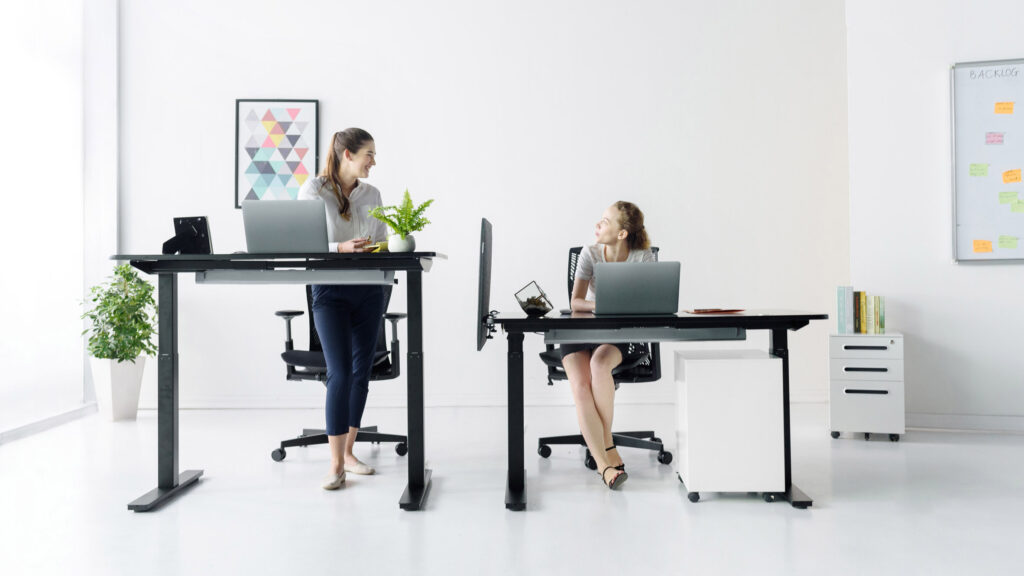
IT Support Desktop: A Comprehensive Overview
IT Support Desktop, often referred to as Desktop Support or Help Desk, is a critical role within IT services that focuses on troubleshooting, resolving, and preventing technical issues that users face with their desktop computers, laptops, and associated systems. This role is essential for maintaining the functionality and efficiency of an organization’s technological infrastructure, enabling employees or clients to perform their tasks without interruption. Below is an in-depth overview of the responsibilities, tools, and skills associated with IT Support Desktop.
Key Responsibilities of IT Support Desktop
Hardware Support and Maintenance
One of the primary responsibilities of desktop support is managing the physical hardware that employees use. This can involve diagnosing problems with computers, monitors, printers, keyboards, and other peripherals. A desktop support technician may need to perform routine maintenance, such as cleaning hardware or replacing faulty components like hard drives, memory (RAM), or batteries. Ensuring hardware is up-to-date and operating efficiently helps minimize downtime and maintain productivity.Software Installation and Configuration
Desktop support also involves installing and configuring operating systems, software applications, and updates. This includes setting up new systems for employees, installing productivity tools like Microsoft Office, configuring enterprise applications, and ensuring that the latest security patches are applied. Desktop support technicians also provide troubleshooting when software malfunctions, resolving issues such as crashes, system freezes, or compatibility problems.Networking and Connectivity Troubleshooting
Networking support is a core component of desktop support. IT support technicians help resolve issues related to network connectivity, whether it’s a problem with a local area network (LAN), Wi-Fi, VPN, or external servers. Problems such as slow internet connections, inability to connect to shared resources, or issues with email configurations are common problems that desktop support addresses. In some cases, technicians may need to escalate network-related issues to network engineers or administrators for further resolution.Security and System Protection
Maintaining the security of desktop systems is another essential task for IT support technicians. This involves ensuring that devices are protected against viruses, malware, ransomware, and other cybersecurity threats. Technicians are responsible for ensuring that antivirus software is installed, updated, and properly configured on all devices. Additionally, they may assist in setting up encryption, managing firewalls, and ensuring that access controls, like password management and two-factor authentication, are correctly implemented.End-User Support and Troubleshooting
The core of IT support is offering assistance to end-users who experience technical issues with their computers or software. Desktop support technicians are the first line of defense when employees encounter problems. Whether the issue is related to slow performance, application crashes, or login failures, support technicians troubleshoot and resolve the problem quickly. Support can be provided via phone, email, chat, or remote access tools. Clear communication and the ability to explain complex technical issues in simple terms are essential in this aspect of the role.Managing Support Requests and Tickets
Most IT support teams utilize a ticketing system to track, prioritize, and resolve support requests. Tools such as Jira, ServiceNow, Zendesk, or Freshservice are commonly used to manage these tickets. Each user request or incident is logged, allowing the technician to prioritize issues based on severity and urgency. The ticketing system helps to ensure that no request is overlooked, and technicians can track the resolution progress of each issue. For recurring problems, ticket data can provide insights for improvement.Training and User Education
A proactive approach to IT support often includes educating users on best practices for using technology efficiently and securely. This may involve running training sessions, creating user guides, or providing tips on managing passwords, using office software effectively, or protecting against phishing attacks. Educating users on common IT problems and how to avoid them reduces the overall burden on IT support staff.
Essential Skills and Tools for Desktop Support
To be effective in a desktop support role, technicians must possess a blend of technical expertise, problem-solving abilities, and communication skills. Here are some of the core skills and tools that IT Support Desktop technicians should be familiar with:
Technical Skills
Operating Systems: Knowledge of Windows, macOS, and Linux is crucial, as many organizations use a variety of operating systems. Understanding system-level troubleshooting, driver installations, and system updates is essential.
Networking: Familiarity with TCP/IP, DNS, DHCP, and VPNs is important for resolving network-related issues.
Hardware and Peripheral Support: Technicians should be able to diagnose issues with desktops, laptops, monitors, printers, and other hardware components.
Tools and Software
Ticketing Systems: Tools like ServiceNow, Jira, and Zendesk help manage and track support requests efficiently.
Remote Support Tools: Applications like TeamViewer, AnyDesk, or Remote Desktop allow technicians to access users’ devices remotely, which is especially valuable for organizations with remote or hybrid workforces.
Diagnostic Tools: Software like MemTest86 (for RAM testing), Hard Drive Sentinel (for disk health monitoring), and network analyzers (e.g., Wireshark) are used to diagnose hardware and network issues.
Soft Skills
Communication: The ability to explain technical issues in a clear, non-technical manner is essential. Strong communication skills ensure smooth interactions with non-technical users.
Patience and Problem Solving: Often, end-users are frustrated by technical issues, and it’s the support technician’s job to remain calm, patient, and efficient in resolving problems.
Time Management: With multiple requests coming in at once, prioritizing tasks effectively and managing time is critical to providing fast and reliable support.
Career Growth in IT Support Desktop
IT support roles can serve as an entry point into more advanced IT careers. Technicians with experience in desktop support can move into roles such as:
Senior Desktop Support Technician: More responsibility, handling complex problems and overseeing junior support staff.
IT Systems Administrator: Managing broader IT infrastructure, including servers, databases, and networks.
Network Administrator: Specializing in network setups, troubleshooting, and optimization.
IT Security Specialist: Focusing on protecting the organization’s data and systems from cybersecurity threats.